
Real Answers to Your Most Urgent
Insurance Claim Questions
Florida's insurance system is complicated on a good day. After a hurricane, a flood, or a water leak that your carrier won't cover, it becomes overwhelming. This blog exists to cut through that — plain-language explanations of Florida insurance law, claim deadlines, documentation requirements, and the tactics insurers use to deny or underpay legitimate claims.
If your question is already here, read first. If you still need me after that, call.
Start Here:
The Posts Most Homeowners Need First
These three guides address the questions I hear most often — and the mistakes that cost homeowners the most when they get them wrong.
Windstorm Damage to Your Business: Claim Steps
Water Damage After a Hurricane: Protecting Your Business Claim
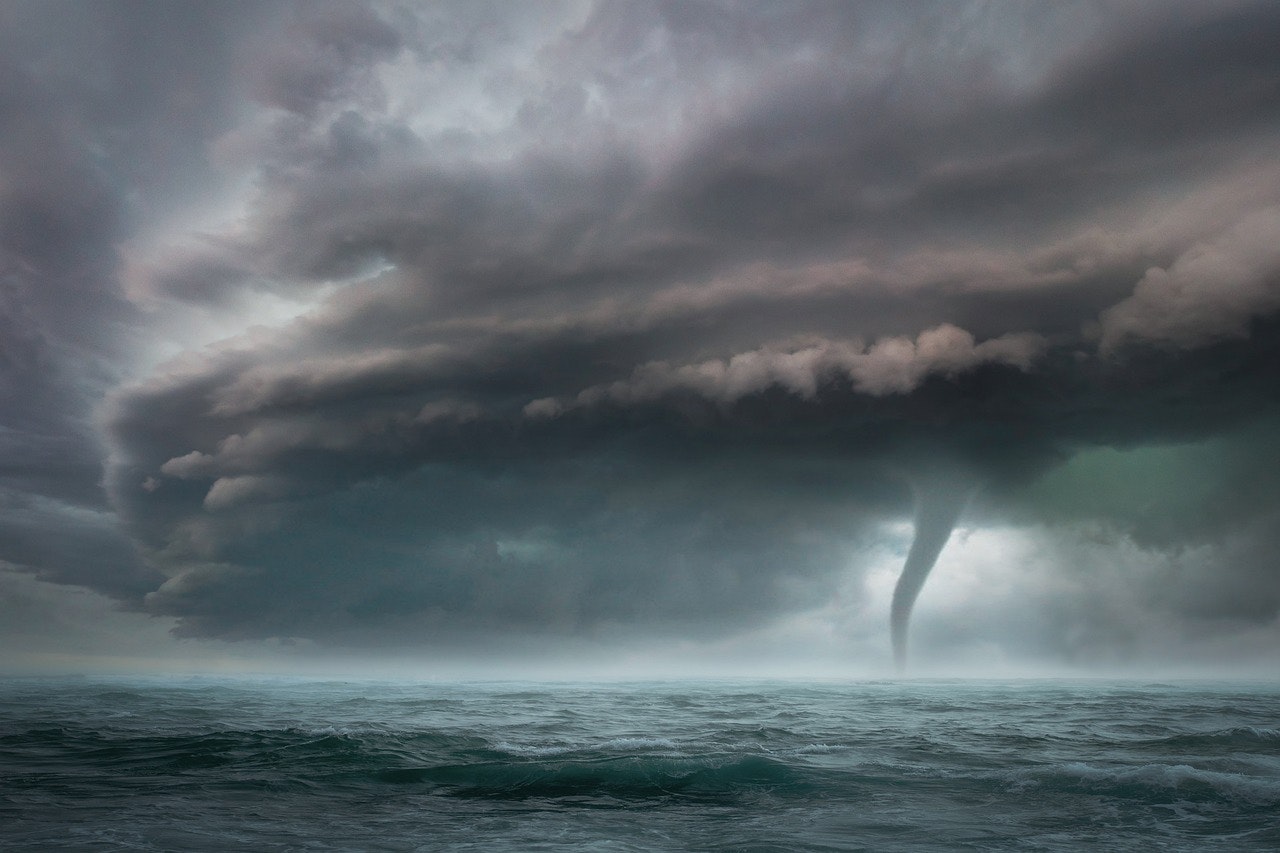
Tornado Damage to Your Business: What to Do Next
More Topics Covered Here
Every post on this blog is written for Florida homeowners dealing with a real claim situation — not general insurance advice that could apply anywhere.
- Hurricane deductible calculations and how carriers apply them
- Wind versus flood disputes after major storms
- The 18-month supplemental claim deadline and how to use it
- How to document hidden water damage your adjuster may have missed
- What bad faith insurance practices look like in Florida — and what they mean for your claim
- Free policy review: what to look for before and after you file
If Your Situation Feels Too Specific to Find Online, It Probably Isn't
The scenarios I write about here — pre-existing damage allegations, coverage disputes between wind and flood, carriers disputing your contractor's estimate — are not unusual. They happen constantly in Florida, especially after major storms. If it's happening to you, it has happened to someone else, and I've likely written about it.
Use the blog to understand your situation. Use the free consultation when you're ready to talk through yours specifically.
You can also request a free policy review before or after you file — it costs nothing and often surfaces coverage issues homeowners didn't know they had.
Questions Florida Homeowners Ask Before They Call
How long do I have to file a hurricane insurance claim in Florida?
Under Florida Statute § 627.70132, you generally have one year from the date of the hurricane to file an initial claim. Supplemental claims — for damage discovered or costs incurred after the initial filing — must be submitted within 18 months of the hurricane's date. These windows are firm, and missing them can eliminate your right to recover even if your underlying claim is valid.
My hurricane claim was denied. Is it too late to do anything?
Not necessarily. A denial is not a final outcome. Depending on the reason for denial, your policy language, and where you are in the claim timeline, you may have options including a supplemental claim, an appraisal process, or legal action. The first step is understanding why the claim was denied — which is exactly what a free consultation is for.
Do I need a lawyer, or can I handle this on my own?
Many homeowners handle straightforward claims without legal help. Where an attorney becomes valuable is when a claim is denied, significantly underpaid, delayed without explanation, or when the carrier raises a coverage dispute. If you're unsure whether your situation warrants legal attention, read through the relevant posts here first — they're written to help you make that call.
Does Diane Zimmerman handle claims outside of Panama City?
Yes. I travel anywhere in Florida for a claim. I've handled cases following Hurricanes Michael, Ian, Milton, and Helene across the state. Where the storm hit, I can go.
What does "no recovery, no fee" mean in practice?
It means you pay nothing unless I recover money for you. There is no upfront cost, no hourly billing, and no fee if the case doesn't result in a recovery. The free consultation and free policy review are also at no cost — there is no financial risk to reaching out.
Read First. Call When
You're Ready.
The blog gives you context. The consultation gives you answers specific to your property, your policy, and your claim. When you've read what you need and you're ready to talk, I'm available directly — not through staff, not through a form that routes to someone else.